
Diesel Fleet Preventative Maintenance in Arizona: A Practical PM Plan for Maximum Uptime
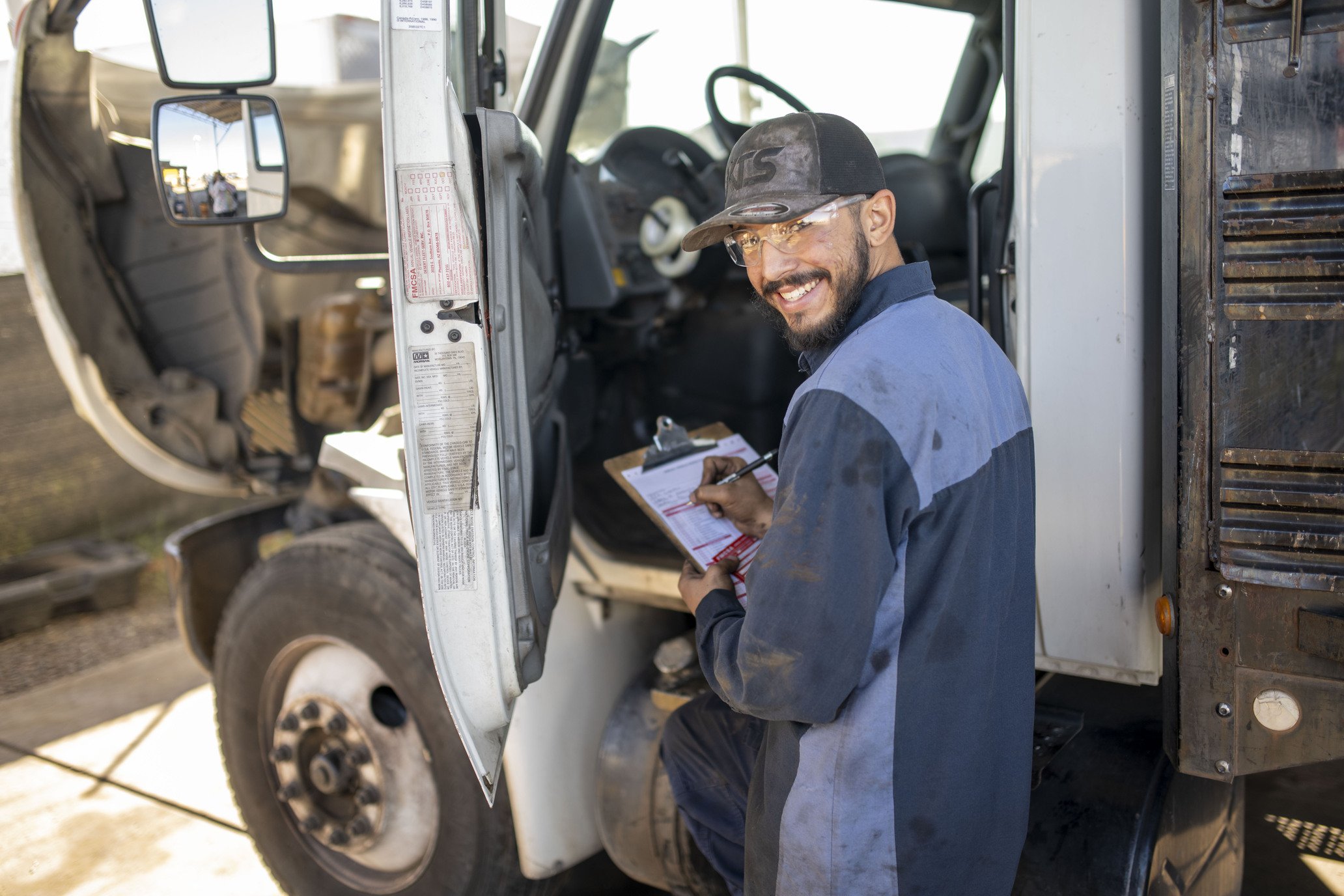
If you manage a fleet in Phoenix or Chandler, you already know the game: heat, dust, stop-and-go routes, and tight delivery windows. A breakdown doesn’t just cost a repair bill—it costs routes, customers, driver time, and dispatch chaos. A real diesel fleet preventative maintenance plan in Arizona is how you buy back uptime and predictability.
This guide lays out a practical PM program for Class 6–8 trucks and trailers (F650 and up): what to include, how often to do it, and how to choose a provider that won’t waste your time.
Why fleet PM matters more in Arizona (heat, dust, stop-and-go routes)
The real cost of “we’ll fix it when it breaks”
Reactive maintenance feels cheaper—until it isn’t. In fleet operations, the biggest costs usually aren’t parts and labor. They’re the side effects:
Missed deliveries and service-level penalties that hit revenue.
Driver downtime and rescheduling that burns payroll and dispatch time.
Emergency towing and rush parts sourcing that inflates the total ticket.
DOT risk and out-of-service events that shut the truck down immediately.
Preventative maintenance turns most of those “surprises” into scheduled work you can plan around.
What changes when your fleet is Class 6–8 and route-driven
For heavier vehicles, small issues compound fast. A minor air leak becomes a brake performance problem. A weak battery becomes a no-start call at 4:30 a.m. A clogged DPF becomes a derate in the middle of a route. That’s why heavy-duty diesel preventative maintenance in Arizona has to be consistent and inspection-driven—not just oil changes.
What a heavy-duty diesel preventative maintenance program should include
A strong preventative diesel maintenance Arizona program is “bumper-to-bumper” focused on the failures that create the most downtime and compliance risk.
Engine + fluids (oil, coolant, fuel/water separator)
At a minimum, your scheduled PM should cover:
Oil and filter service based on duty cycle, oil spec, and fuel dilution risk.
Cooling system inspection for leaks, hose integrity, and fan/clutch operation.
Fuel system checks including water separation and restricted fuel filters.
Visual checks for blow-by indicators and abnormal crankcase pressure signs.
In Arizona, coolant health and hose condition matter more than most fleets expect—heat finds weak links.
Aftertreatment and emissions basics (DPF/DEF—without the fluff)
Modern diesels don’t “just run.” If your routes include idle time and short trips, aftertreatment issues climb fast. A PM program should include:
Scan for active and pending fault codes tied to emissions performance.
Inspect DEF quality concerns, heater lines, and visible leaks or crystallization.
Check for exhaust leaks upstream that can impact sensor readings.
The goal isn’t to overcomplicate it. The goal is to prevent derates and repeat check-engine events.
Brakes, tires, suspension, and steering (the downtime multipliers)
These systems are where safety and uptime overlap. Your PM should include:
Brake wear measurement, air system checks, and visible leak inspection.
Tire condition, pressure targets, and uneven wear pattern identification.
Steering and suspension checks for play, bushings, shocks, and alignment clues.
Grease points and driveline inspection where applicable.
If your vendor can’t clearly explain what they checked and what they measured, you don’t have a program—you have a receipt.
Electrical and charging system checks (no-start prevention)
No-start calls are high-friction, high-cost, and totally preventable. A fleet PM should include:
Battery health checks and terminal condition inspection.
Alternator and charging output verification under load.
Starter engagement symptoms and cable integrity review.
Trailer PM essentials for fleet safety and compliance
Trailers are often the “silent liability” in fleet operations. Your PM should cover:
Lights, wiring, and connectors for intermittent failures.
Brake function and air line condition where equipped.
Suspension components and visible structural concerns.
Tire wear and inflation targets matched to load profiles.
Scheduled diesel maintenance intervals (simple, usable guidance)
Fleets ask for a single number. The honest answer is: your interval depends on duty cycle, idle time, load, and route conditions. But you still need a usable baseline.
Typical PM cadence by use case (delivery, construction, regional haul)
Stop-and-go delivery fleets: tighter PM intervals due to idling, heat soak, and brake wear.
Construction and vocational trucks: focus on chassis, suspension, and filtration due to dust and load.
Regional haul: mileage-driven intervals with heavier emphasis on tires, brakes, and cooling health.
If you want a diesel truck maintenance plan in Arizona that actually works, build it around how your trucks operate—not what a generic chart says.
Mileage vs. engine hours: which matters for your fleet?
If your trucks idle a lot (yard time, jobsite time, delivery stops), engine hours can be a better trigger than mileage. Mileage-only schedules miss wear-and-tear that happens while parked but running. A good provider will track both and recommend the better driver for your specific units.
Seasonal adjustments for Arizona summers
Arizona heat punishes cooling systems, batteries, and tires. Before peak summer, it’s smart to add a focused inspection for:
Coolant level, hose condition, and pressure cap integrity.
Fan operation and airflow restrictions (debris, bent fins, clogged radiators).
Battery health and cable corrosion that shows up under high heat loads.
Fleet PM checklists you can hand to a technician (or verify a vendor)
Below are practical checklists you can use to standardize your program and verify the work was actually performed.
PM-A (quick service) checklist
Change engine oil and replace the correct filter(s) per OEM spec.
Inspect and top off key fluids while checking for visible leaks.
Perform a basic scan for faults and address critical warnings.
Check tires for pressure and obvious damage or abnormal wear.
Quick brake visual for obvious wear, leaks, or air system issues.
PM-B (full inspection) checklist
Full chassis inspection including steering play and suspension components.
Brake measurement and air system leak checks documented clearly.
Battery and charging system checks under load, not just a glance.
Aftertreatment-focused review for common derate and regen issues.
Trailer inspection for lighting, connectors, tires, and brake condition.
DOT-ready inspection checkpoints (what gets you put out of service)
DOT problems aren’t theoretical. If you operate commercially, you need to be inspection-ready. A DOT-focused review should pay special attention to:
Brake system condition, air leaks, and audible warning functionality.
Lights, reflectors, and conspicuity tape visibility and operation.
Tire tread depth, sidewall damage, and wheel-end concerns.
Steering and suspension defects that create safety hazards.
If you need formal inspection support, look for a provider that offers DOT inspection services in Phoenix and can document findings cleanly for your records.
Shop vs. mobile fleet maintenance in Chandler/Phoenix: what’s faster (and why)
When onsite mobile diesel maintenance wins
Mobile fleet maintenance in Chandler, AZ is usually the fastest option when you’re dealing with multiple units, tight routes, or “it needs to be running by morning” situations. Onsite service is a strong fit for:
Preventative maintenance services completed at your yard during off-hours.
Diagnostics and check-engine issues that need fast triage.
DOT readiness checks and quick fixes that would otherwise require towing.
Minor to moderate repairs where moving the truck creates extra downtime.
When a fleet repair shop is the better call
Some work is more efficient in a controlled shop environment—especially when it requires extended teardown, heavy chassis work, or specialized equipment. The key is not “mobile vs. shop.” The key is having a partner that can tell you which one is smarter for the job.
How to avoid “hidden downtime” (towing, waiting bays, parts delays)
The biggest time-waster in traditional repair is the gap between events: waiting for a bay, waiting for approvals, waiting for parts, waiting for updates. Set expectations upfront:
Clear estimate before work begins, with approval checkpoints.
Realistic parts timelines and alternatives when possible.
One point of contact who communicates in plain language.
How to choose diesel truck maintenance plans in Arizona (no contracts, no surprises)
Questions fleet managers should ask before signing anything
How do you track upcoming PM services and notify us proactively?
Can you service multiple trucks onsite the same day at our location?
Do you perform DOT inspections and provide clear documentation?
What is your process for estimates, approvals, and change orders?
Do you offer emergency response outside business hours?
What “transparent estimates” looks like in the real world
Transparent means you get a clear explanation of what’s required, what’s recommended, and what can wait—plus the labor/time expectations. For fleets, it also means identifying follow-up items so you can schedule them instead of getting ambushed later.
Warranty, documentation, and compliance records
For commercial fleets, documentation is not optional. Your provider should be able to support your compliance records with clear inspection notes, repair details, and consistent reporting. Also, get the warranty in writing. KTS Enterprise backs work with a 90-day/10,000-mile warranty for accountability.
A simple rollout plan for preventive fleet maintenance (30 days)
Step 1: Baseline inspections and priorities
Start by inspecting every unit and categorizing issues:
Safety/compliance items: fix immediately to reduce DOT risk.
Uptime threats: address before they become road calls.
Monitor items: schedule into the next PM window.
Step 2: Build a schedule that matches dispatch reality
The best scheduled diesel maintenance in Arizona is the one that actually gets done. Set service windows around how your trucks live: early mornings, evenings, weekends, or route off-days. Mobile servicing makes this easier because you’re not sending trucks away.
Step 3: Track, notify, and prevent missed services
Tracking is where most fleets lose the battle. Your process should include service reminders, visibility across units, and a standard cadence. KTS Enterprise supports proactive fleet management by tracking service needs and notifying customers before they fall behind.
When to escalate from PM to repair—before the truck strands a route
Symptoms that should trigger immediate diagnostics
Check-engine light with power loss, derate, or regen warnings.
Air pressure issues, frequent compressor cycling, or audible leaks.
Overheating, coolant loss, or repeated low-coolant alerts.
Hard starts, slow cranking, or intermittent no-start behavior.
Common fleet issues we see in Phoenix/Chandler routes
Cooling system failures that show up under Arizona heat load.
Battery and electrical issues caused by vibration and high temperatures.
Brake wear accelerated by stop-and-go delivery duty cycles.
Aftertreatment faults driven by idle time and short-trip operations.
Get a fleet PM plan built for your routes (Phoenix/Chandler)
KTS Enterprise is built for commercial fleets running Class 6 through Class 8 trucks and trailers—not one-off owner-operators. We provide mobile and on-site service across Phoenix, Chandler, and nearby metro areas with a focus on speed, communication, and uptime.
What KTS Enterprise handles on-site
Preventative maintenance (PM) services and multi-unit fleet scheduling.
Engine diagnostics, check-engine resolution, and aftertreatment support.
DOT inspections and fleet inspection services with clear documentation.
Bumper-to-bumper repairs and heavy chassis work where appropriate.
What you’ll get: faster turnaround, proactive reminders, and warranty-backed work
24/7 onsite response options for urgent breakdown situations.
Upfront estimates with practical recommendations, not guesswork.
Proactive tracking and reminders so PM doesn’t fall through the cracks.
Warranty coverage for confidence in the work performed.
If you’re looking for commercial fleet maintenance in Chandler, AZ or a reliable onsite diesel mechanic in Phoenix, KTS Enterprise can build a maintenance cadence that fits your routes and keeps trucks earning.
Next step: schedule a fleet baseline inspection and we’ll map out a PM plan you can actually run.