
Inside a KTS Repair: What “Done Right the First Time” Really Means for Phoenix & chandler Fleets
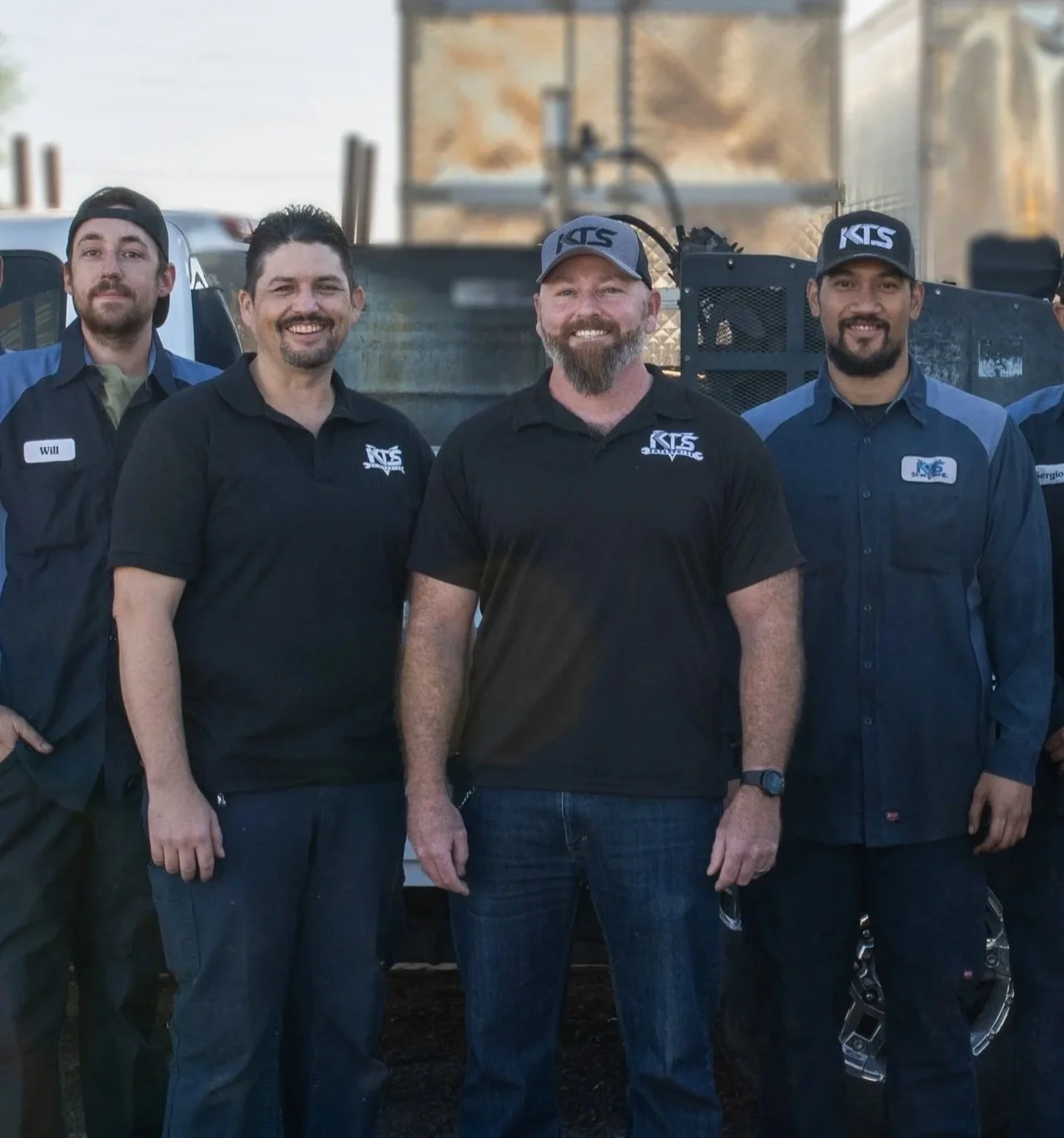
If you manage a fleet in Phoenix, you don’t need a mechanic who can “get it running.” You need a repair process that prevents repeat failures, protects DOT compliance, and keeps trucks earning. At KTS Enterprise, “done right the first time” isn’t a slogan, it’s a step-by-step diesel truck repair process built around uptime.
This is what a real repair looks like when the customer is a fleet (Class 6–Class 8 trucks and trailers), not a one-off vehicle.
“Done right” starts with the right goal: uptime, not just a quick fix
A quick fix can feel like a win…until the same unit is back down next week, you’re rescheduling routes, and your team is chasing a vendor who “already fixed that.” Quality diesel repair is about removing the cause, not clearing the symptom.
Why repeat repairs happen (and why fleets pay for it twice)
Skipping root cause diesel diagnostics to save time upfront.
Relying on fault codes alone instead of validating systems.
Replacing parts without checking the condition of related components.
Not verifying the repair under real operating conditions.
Poor documentation, so the next tech starts from scratch.
What “first-time fix” looks like for Class 6–8 trucks
A repeatable diagnostic workflow, not improvisation.
A clear estimate that matches fleet approval reality.
Repair execution with proper specs, controls, and verification.
Post-repair proof: scan data, test results, and documentation.
Step 1: The intake process, getting the real story fast
Intake is where most downtime is either reduced or multiplied. If we don’t get clean information early, the diagnostic process drags and the estimate becomes a moving target.
Driver symptoms vs. actual failure mode
Drivers report what they feel: “loss of power,” “won’t regen,” “air leak,” “hard start,” “check engine light.” We translate that into testable possibilities—fuel delivery, boost leak, sensor plausibility, electrical supply, air system integrity, aftertreatment efficiency, and more.
Fleet context we ask for (so we don’t waste diagnostic time)
Unit number, VIN, engine family, and mileage or engine hours.
Recent repairs, recurring codes, and any previous derates.
Duty cycle: stop-and-go delivery, freeway, construction idle time.
Any DOT deadlines or route commitments driving urgency.
This is especially important for fleet maintenance in Phoenix where heat, idling, and urban delivery cycles can accelerate failures in cooling, batteries, sensors, and aftertreatment.
Step 2: The diesel truck diagnostic process (how we find root cause)
For fleets searching “diesel repair near me,” the biggest difference between vendors is diagnostic discipline. Our goal is to pinpoint the failure mode and confirm it before parts get ordered.
Scan data is a starting point, not the answer
We pull codes, freeze-frame data, and look at live parameters. But a code is a clue—not a verdict. A “low boost” code could be a leak, actuator issue, sensor skew, clogged filter, or a wiring problem. We validate before we replace.
Visual inspection + system checks (air, fuel, cooling, electrical)
Air/boost: charge air piping, clamps, CAC leaks, actuator movement.
Fuel: filter condition, supply pressure, return issues, air intrusion.
Cooling: leaks, fan operation, belt drive issues, heat-related failures.
Electrical: battery health, charging output, grounds, connector integrity.
For mobile diesel mechanic work in Phoenix, these checks are critical because on-site conditions don’t allow for “trial and error.” We come prepared, verify quickly, and keep the truck where it is whenever possible.
Aftertreatment diagnostics without guesswork
Aftertreatment problems (DPF/DEF/SCR) are where fleets lose days if the shop just starts throwing parts at it. We approach aftertreatment with a test-and-verify mindset:
Confirm whether the issue is sensor plausibility, dosing, restriction, or regen control.
Check for upstream causes: boost leaks, EGR issues, fuel quality, excessive idling.
Validate repair with commanded tests and post-repair readings.
When we stop and call you: decision points that affect cost and downtime
Transparency matters. When we reach a point where options change price or timeline, we call. Examples include:
Repair vs. replace decisions based on measured component condition.
Discovering related failures that will cause a comeback if ignored.
Parts availability that affects same-day versus 48-hour turnaround.
Step 3: The estimate: transparent, specific, and built for approvals
Fleet managers don’t have time for vague numbers. A quality estimate supports fast approval and protects you from surprise invoices.
What you should see in a quality estimate
What we found, written in plain language (not just code lists).
What we’re repairing and why it fixes the root cause.
Labor hours and rate, clearly stated.
Parts list and any critical notes on lead time or availability.
What we recommend next (now vs. schedule later) to prevent downtime.
How we handle “while we’re in there” discoveries (no surprise bills)
On diesel trucks, you sometimes uncover additional required work during access or teardown. The wrong way is to finish the job and hand you the bill. The KTS way is to stop, document, and get approval before proceeding—so you stay in control of cost and timeline.
Step 4: The repair: controls, torque specs, and verification
Being fast doesn’t mean being sloppy. It means having a process that eliminates rework. That’s how we deliver quality diesel repair without turning your truck into a long-term parking spot.
Parts quality and why it matters to fleets
Cheap parts can look good on paper until they fail early, create collateral damage, or create another diagnostic headache. We use parts that make sense for fleet reliability and warranty confidence—because the goal is fewer events per year, not more invoices.
Heavy chassis and Class 8 truck repair considerations on-site
Not every job belongs on the shoulder of the road. KTS supports both mobile and in-shop work, and we’ll tell you straight when a controlled environment is safer or faster. For on-site heavy chassis fixes, we focus on:
Safe access and proper support for the vehicle.
Correct fastener procedures and torque requirements.
Post-repair inspections to ensure roadworthiness and compliance.
Quality checks before we hand keys back
Re-check for leaks, rub points, and connector security.
Confirm fluid levels and system pressures.
Verify that repaired systems operate across load ranges.
Step 5: Post-repair validation—proving the fix before the truck leaves
“Done” doesn’t mean the bolt is tight. It means the truck is ready to run routes again without a repeat issue.
Road test, regen checks, and re-scan confirmation
Clear codes only after the underlying condition is resolved.
Confirm live data is back within expected ranges.
Validate regen/aftertreatment behavior when relevant.
Documentation you can use for maintenance tracking and DOT readiness
Fleets need records. We document what failed, what was replaced or repaired, and what to watch next. That makes future diagnostics faster and helps support a cleaner compliance posture.
Preventing the next breakdown: fleet downtime prevention baked in
The best repair is the one you never need. That’s why KTS builds preventative maintenance into how we serve fleets—not as an afterthought.
Preventative maintenance (PM) intervals that actually match duty cycle
A delivery fleet that idles and stops all day should not run the same PM plan as a long-haul unit. We help align PM schedules to how your trucks work in the Phoenix metro—so you avoid predictable failures like heat-stressed batteries, cooling issues, aftertreatment headaches, and air leaks that spiral into downtime.
Proactive reminders and service planning for multi-truck fleets
KTS tracks service needs and notifies you so inspections, PMs, and known wear items don’t slip. That’s how fleets move from reactive chaos to planned uptime.
What our warranty means in real life (90 days / 10,000 miles)
Accountability matters. KTS backs our work with a 90-day or 10,000-mile warranty on covered repairs. For fleet managers, this is risk reduction: fewer arguments, fewer repeat invoices, and a clearer standard for quality.
What’s typically covered
Workmanship issues related to the performed repair.
Covered parts failures (based on the part and application).
What helps avoid warranty gray areas
Addressing related root-cause issues when identified during diagnostics.
Sticking to PM intervals and fluid/filter standards for your duty cycle.
Reporting new symptoms early before secondary damage occurs.
Red flags that a diesel repair won’t be “done right the first time”
If you’re vetting a diesel truck repair provider in Phoenix, these are the patterns that usually lead to repeat downtime.
The 8 warning signs fleet managers should watch for
They quote repairs before performing a real diagnostic process.
They talk only in codes, not failure modes and verification steps.
They won’t put the estimate in writing with labor hours and parts detail.
They can’t explain what will be tested after the repair is completed.
They avoid discussing duty cycle, PM history, or recurring issues.
They promise speed but can’t explain how they prevent rework.
They have no clear warranty, or it’s full of loopholes.
Communication is slow, indirect, or routed through a call center.
How to schedule KTS for fleet maintenance in Phoenix & chandler (mobile or in-shop)
KTS Enterprise supports commercial fleets operating Class 6 through Class 8 trucks and trailers in Phoenix, Chandler, and surrounding metro areas. We provide 24/7 on-site support and fast turnaround for planned maintenance and breakdowns.
What to have ready when you call
Unit number, location, and whether the truck is safe to service on-site.
Primary symptoms, dash lights, and any recent repairs.
Your internal priority: “back on road now” vs. “fix it permanently and schedule.”
Getting started: first 30 days discounted labor for new fleet accounts
If you’re considering a new partner for fleet maintenance Phoenix, ask about KTS’s new-customer offer: discounted labor rates for your first 30 days. It’s a straightforward way to test response time, communication, and quality—without a long-term contract.
Need a fleet-focused diesel truck repair team in Phoenix? Book an estimate and we’ll tell you what’s wrong, what it takes to fix it, and how fast we can get you back to work—no BS.