
Brake System Neglect Is a DOT Violation Waiting to Happen
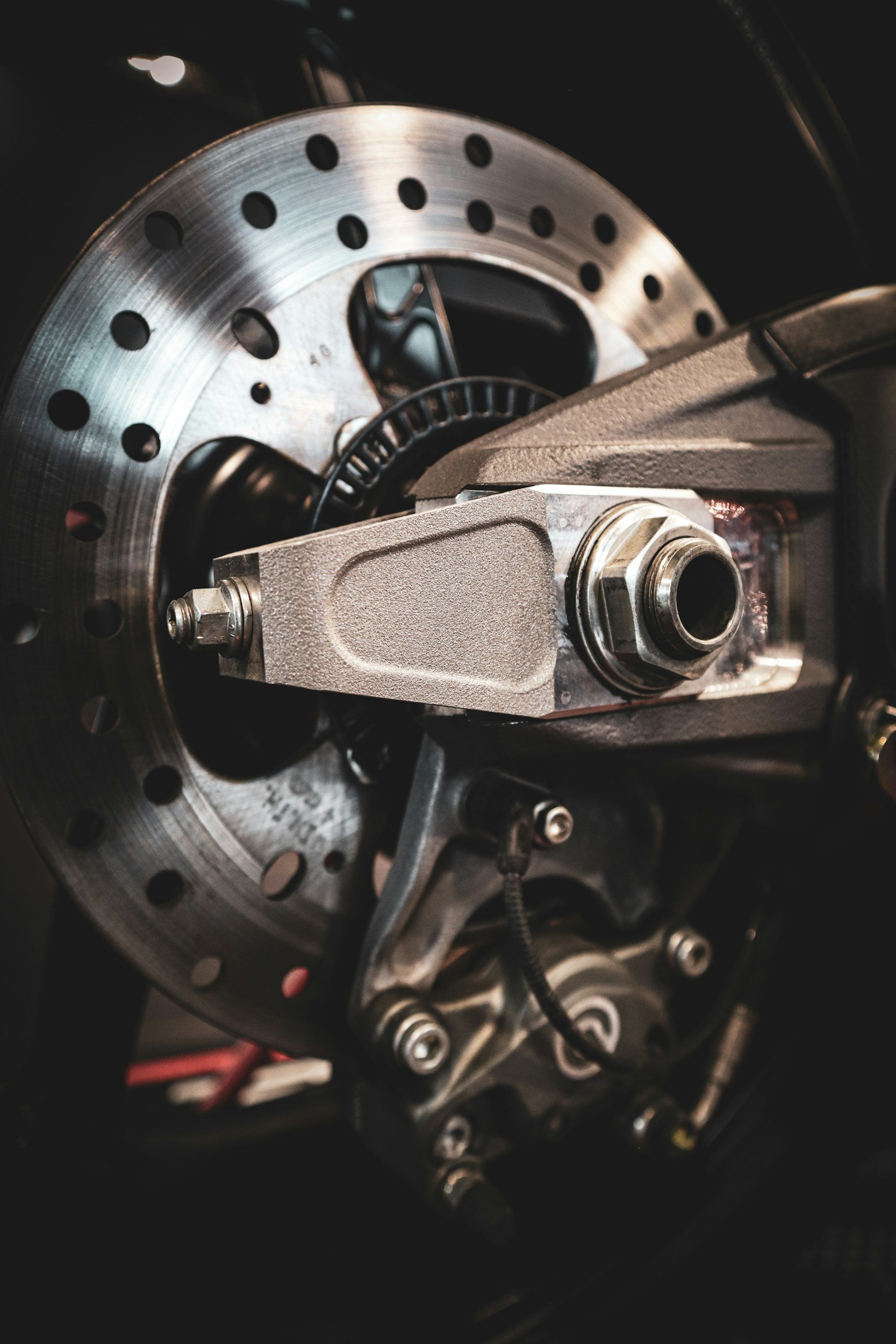
Fleet managers track engine hours, fuel spend, and tire wear like clockwork. Brakes get a visual check at the pre-trip inspection and not much else, until a driver reports a pull to one side or a technician flags a violation during a roadside stop. By then, the wear has usually been building for months. Heavy-duty air brake systems do not fail the way passenger vehicle brakes do. There is no single warning light, no squeal that shows up right on schedule. Instead, the system degrades in ways that are easy to miss unless someone is measuring, not just looking.
What Actually Wears Out
A commercial air brake system depends on several components working in sync: slack adjusters, pushrods, S-cams, brake chambers, and the drums or rotors themselves. Each one wears at a different rate, and none of them announce it clearly. Slack adjuster misadjustment is one of the most common violations found during roadside inspections, and it is almost invisible during a walk-around. Pushrod travel that exceeds the allowable limit reduces stopping power without any obvious symptom until a driver is already in a panic stop. Uneven pad or lining wear from one axle to the next throws off brake balance across the whole vehicle, which changes how it handles under hard braking, especially loaded. Air pressure buildup time matters too. If the system is taking longer than it should to reach operating pressure, that is often the first sign of a compressor, valve, or line issue, and it is the kind of thing that only shows up on a gauge, not to the eye.
Why Arizona Fleets See This Faster
Phoenix and Chandler routes combine stop-and-go city driving with long highway hauls and extreme summer heat. That combination accelerates brake wear on both ends. Heavy braking in city traffic generates friction heat that never fully dissipates before the next stop, and ambient temperatures above 110 degrees push components that are already running hot even closer to their limits. Drum cracking from thermal stress and premature lining glazing both show up more often in fleets running this kind of duty cycle in this climate than they do in milder regions.
The Cost of Getting It Wrong
A brake system violation is one of the fastest ways to put a truck out of service. Under FMCSA's Compliance, Safety, Accountability program, brake-related violations carry some of the heaviest severity weighting of any inspection category, and they follow the carrier's safety record for two years. Beyond the CSA score, an out-of-service order means a truck parked on the shoulder or at a scale, a driver waiting, and freight not moving. Insurance carriers also take a documented brake history into account at renewal, and a pattern of violations makes that conversation harder than it needs to be. None of that shows up on a P&L; line labeled "brakes." It shows up as downtime, as a CSA score that limits which loads a carrier can bid on, and as a renewal quote that costs more than it should.
What a Real Inspection Covers
A brake inspection worth the name goes past a visual check. It includes measuring pushrod travel against the allowable limit for each chamber size, checking slack adjuster function under applied and released conditions, verifying air pressure buildup time and low-pressure warning activation, and inspecting drums, rotors, and linings for thickness, cracking, and uneven wear pattern. It also means checking the system as a whole, not axle by axle, because brake balance across the vehicle is what actually determines stopping distance and stability under load. This is not a job for a quick lot check between routes. It takes the right gauges, the right lift access, and a technician who knows what a borderline reading means before it becomes a roadside violation. Fleets that treat brake service as a once-a-year formality are the ones that end up finding out the hard way, usually at a scale house.
Where This Fits in a Maintenance Plan
Brake inspection should sit on the same cadence as the rest of a fleet's preventative maintenance program, not as an afterthought triggered by a complaint. For fleets running Arizona's mix of heat and stop-and-go duty cycles, that usually means checking sooner than the manufacturer's baseline interval, not later.
KTS Diesel inspects and services heavy-duty air brake systems at our Phoenix and Chandler locations and through mobile service across the Valley, with full documentation for CSA and DOT records. If it has been a while since your fleet's brakes were measured instead of just looked at, that is the gap worth closing before an inspector finds it first