
Your Diesel Fleet Is More Connected Than You Think. That's a Security Problem Now.
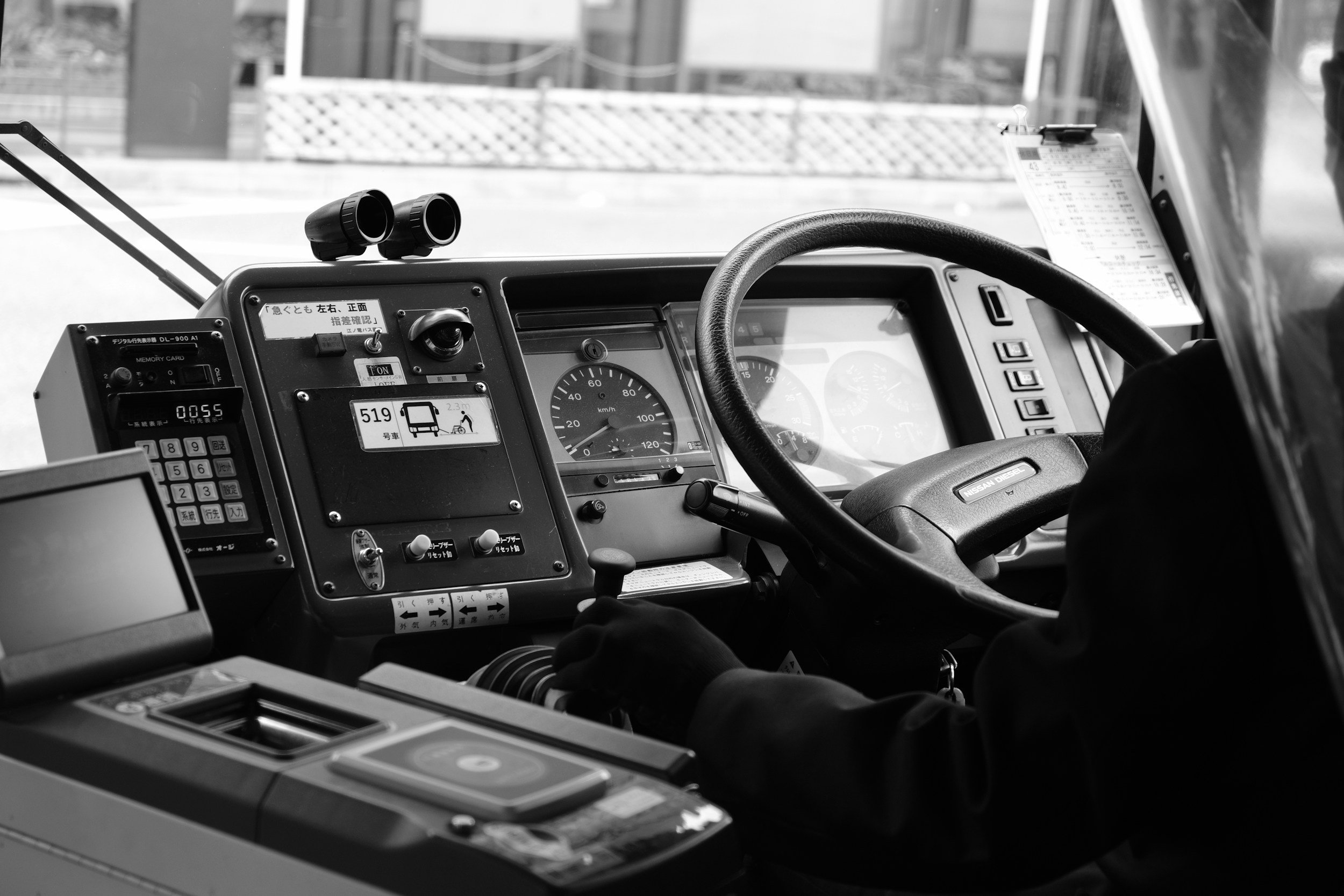
Ask a fleet manager what keeps a truck running and you'll hear about oil intervals, brake pads, and DPF regen cycles. Ask what keeps a truck's data safe and most won't have an answer, because until recently nobody needed one. That's changing. Every ECU, telematics unit, and remote diagnostic port on a modern diesel truck is a connection point, and connection points are exactly what get targeted. This isn't a hypothetical. It's the natural consequence of fleets adopting the same technology that makes them more efficient.
Why Diesel Trucks Became a Target
The systems that make today's trucks easier to manage, telematics, electronic logging devices, remote diagnostics, over-the-air updates, all rely on the truck's onboard network talking to the outside world. That network was originally built for mechanics with a physical connector in a shop bay, not for constant wireless communication. Retrofitting decades-old vehicle architecture with internet connectivity means the security wasn't designed in from the start. It was added on top. That gap matters more for commercial fleets than for a single personal vehicle. A fleet operator isn't protecting one truck, they're protecting a shared telematics platform, a dispatch system, and every ECU across every unit that platform touches. One compromised login or one unpatched telematics device can be a way into the whole operation.
What This Actually Looks Like in Practice
Fleet-level cybersecurity risk shows up in a few specific ways:
Telematics account compromise. Login credentials for fleet tracking platforms get phished or reused from another breach, giving an outside party visibility into vehicle location, routes, and driver behavior.
Unauthorized ECU access. Diagnostic ports intended for shop use can, in the wrong hands, be used to alter engine parameters, emissions settings, or immobilizer functions.
Third-party vendor exposure. Aftermarket telematics devices and fleet management add-ons connect to the truck's data bus. Not all of them are built with the same security standards as OEM systems.
Data manipulation for fraud. Falsified mileage, altered maintenance logs, or spoofed location data can affect everything from insurance claims to DOT compliance records.
None of this requires a Hollywood-style hacking scene. Most incidents start with something mundane: a weak password, an outdated device firmware, or a vendor integration nobody audited after it was installed.
What Fleet Managers Can Actually Do About It
The good news is that fleet cybersecurity doesn't require becoming an IT department. It requires the same discipline fleets already apply to mechanical maintenance.
Audit every connected device on your trucks. Telematics units, ELDs, and aftermarket add-ons should be inventoried the same way you track PM schedules. If you don't know what's plugged into the data bus, you can't secure it.
Enforce credential hygiene on fleet platforms. Unique logins, multi-factor authentication, and access limited to people who actually need it go a long way.
Keep telematics and ECU firmware current. Manufacturers issue security patches the same way they issue recalls. Skipping updates leaves known vulnerabilities open.
Vet third-party vendors before installation. Ask how their devices handle data, who has access, and whether they've had a security review. A cheap add-on that skips this is a liability wearing a discount.
Treat diagnostic port access like a keyed asset. Physical access to a truck's OBD or diagnostic connector should be controlled the same way you control access to keys and fuel cards.
Where This Connects Back to the Shop
We're not a cybersecurity firm, and we won't pretend to be one. But we work inside these systems every day running diagnostics, pulling fault codes, and connecting to ECUs across Phoenix and Chandler fleets, and we see firsthand how much of a truck's operation now runs through software rather than steel. Fleet managers who understand that shift, and who bring the same rigor to their connected systems that they bring to preventative maintenance, are the ones who stay ahead of problems instead of reacting to them. If your fleet has grown its telematics and connected diagnostics without a matching conversation about who has access to what, that's a gap worth closing before it becomes an incident. KTS Diesel handles complete engine diagnostics and preventative maintenance for heavy-duty fleets across Phoenix and Chandler. If you want a second set of eyes on what's actually running through your trucks' systems during a service visit, get in touch.