
Tire Management and Alignment: The Fleet Expense Nobody Budgets For
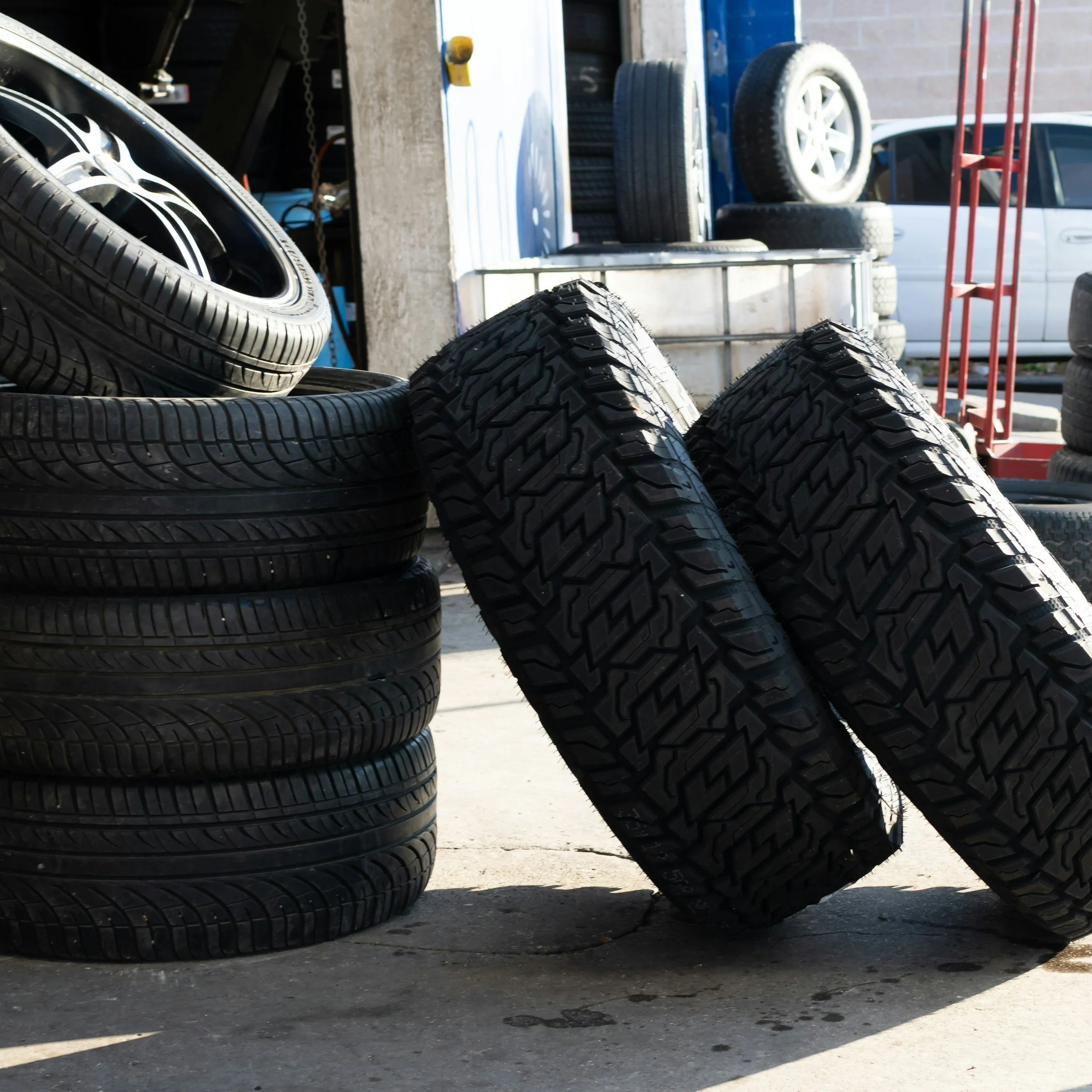
Most fleet managers track fuel, labor, and parts closely. Tires rarely get the same scrutiny, even though a poorly managed tire program can quietly cost a heavy-duty fleet thousands of dollars a year in fuel, downtime, and premature replacements. In Arizona, where pavement temperatures regularly climb past 140 degrees in summer, tire wear and alignment problems accelerate faster than most maintenance schedules account for.
Why Tire Management Gets Overlooked
Tires wear gradually, so the cost of neglect does not show up as a single dramatic failure. It shows up as a slow leak in fuel economy, a tread pattern that wears out six months early, and a driver complaint about pulling to one side that never makes it onto a work order. By the time a blowout happens on the road, the underlying alignment or inflation issue has usually been there for months.
The Real Cost of Misalignment
A truck running even slightly out of alignment does not just wear tires unevenly. It forces the engine to work harder to maintain speed, which increases fuel consumption across the entire fleet. Misalignment also puts uneven load on suspension components, steering linkage, and wheel bearings, which turns a routine tire replacement into a larger repair bill down the line. Fleets that treat alignment as a reactive fix, rather than a scheduled check, consistently pay more per mile than fleets that catch it early.
Heat Is Not Optional in Arizona Fleet Planning
Underinflated tires generate more heat, and Arizona summers do not leave much margin for error. A tire that would run safely underinflated in a milder climate can fail outright on a Phoenix or Chandler route in July. Pressure checks that get treated as optional in cooler regions need to be non-negotiable here, especially on trucks running long routes or carrying heavy loads through the hottest part of the day.
What a Real Tire and Alignment Program Looks Like
A tire management program that actually protects your budget covers three things consistently: pressure checks on a fixed schedule rather than an as-needed basis, tread wear inspections that catch uneven patterns before they become safety issues, and alignment checks tied to mileage intervals, not just when a driver reports a problem. Fleets that build this into their preventative maintenance schedule see fewer emergency roadside calls and get more miles out of every tire they buy.
Where KTS Fits In
KTS Diesel builds tire and alignment checks into scheduled preventative maintenance for Phoenix and Chandler fleets, so wear patterns and alignment drift get caught during a planned visit instead of a roadside breakdown. Our team is built for fleets that want a documented, credentialed maintenance partner, not a shop that waits for something to break. If your tire budget has been creeping up without a clear reason, an alignment and inspection check is usually where the answer shows up.