
Turbocharger Failure: The Warning Signs Heavy-Duty Fleets Miss Until It's Too Late
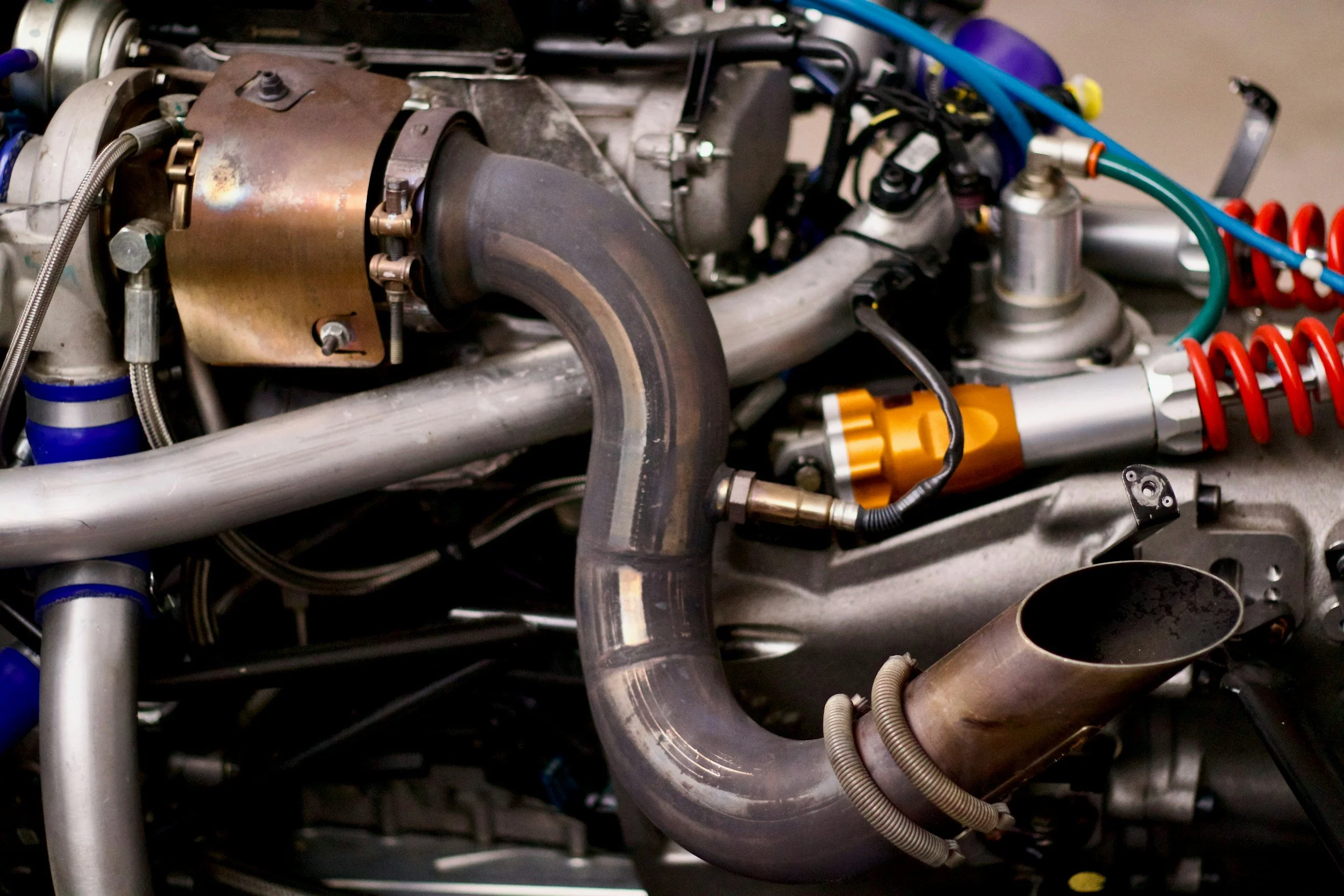
A turbocharger does not fail on its own. By the time a truck limps into the shop with a whining engine or a cloud of blue smoke, the real damage has usually already spread to the oil system, the intake, or the engine itself. For Phoenix and Chandler fleets running heavy-duty diesels through triple-digit heat, understanding what a turbo failure actually costs, and how to catch it early, is the difference between a scheduled repair and an unscheduled tow.
Why the Turbo Is a Pressure Point for Diesel Fleets
A turbocharger works harder than almost any other component on a heavy-duty diesel engine. It spins at speeds that can exceed 100,000 RPM, riding on a thin film of oil, while managing exhaust gas temperatures that regularly climb past 1,000 degrees Fahrenheit. Arizona heat pushes that system closer to its limits before the truck even leaves the yard. Ambient temperatures that are already high reduce the margin the turbo has for cooling, and oil that is degraded or overdue for a change breaks down faster under that added thermal load.
The Warning Signs Fleet Managers Often Dismiss
Turbo failure rarely arrives without warning. It arrives with signals that get written off as normal wear because the truck is still running.
• A whining or whistling sound that changes pitch with engine RPM
• Blue or gray exhaust smoke, especially under acceleration
• A noticeable drop in power or slower acceleration under load
• Excessive oil consumption with no visible external leak
• Check engine or low boost pressure codes that clear and return
Any one of these on its own can seem minor. Together, or repeated over a short window, they point to a turbo that is already shedding metal into the oil supply or losing its seal integrity.
What Happens When a Turbo Failure Gets Ignored
A failing turbo does not stay contained. Metal shavings from a worn bearing travel downstream into the oil galleys and can circulate through the entire lubrication system. Oil that leaks past failing seals gets pulled into the intake and burned in the cylinders, which is what produces that blue smoke and accelerates carbon buildup on components the fleet already spends money protecting, including the EGR cooler and the DPF. A fleet that caught a cooling system issue early or stayed ahead of injector fouling can still lose that investment if a turbo failure sends contaminated oil or unfiltered boost pressure through the rest of the engine. What starts as a bearing replacement can turn into a full engine teardown, and the truck goes from a same-day repair to a multi-week rebuild.
Why Diagnosis Has to Come Before Repair
Turbo symptoms overlap with several other diesel problems. A whine can point to a failing turbo, or it can point to an intake leak. Blue smoke can mean a turbo seal, or it can mean worn valve guides. Guessing at the cause and replacing parts based on a hunch is how fleets end up paying twice. KTS Diesel does not start with a parts order. Every turbo concern goes through a proper diagnostic process, including boost pressure testing, oil analysis, and a physical inspection of the shaft play and housing, before any repair recommendation is made. That is the distinction between a shop that tests and one that guesses, and it is the reason fleets that are not ready to invest in a real diagnostic process are not the right fit for this approach.
Protecting the Investment
The fastest way to control turbo-related downtime is to treat these warning signs as diagnostic triggers, not maintenance footnotes. Oil analysis at every service interval catches metal contamination before it becomes an audible whine. Boost pressure checks during routine PM visits catch a turbo that is losing efficiency before it loses structural integrity. For fleets running through Phoenix and Chandler summers, that kind of proactive testing is what keeps a turbocharger issue a line item instead of a breakdown on the I-10
If your fleet has heard a whine that will not go away or noticed exhaust smoke that was not there last month, do not wait for the failure to confirm itself. Schedule a diagnostic with KTS Diesel and get a real answer before it becomes a real repair.