
Dirty Diesel Injectors Are Costing Your Fleet More Than You Think
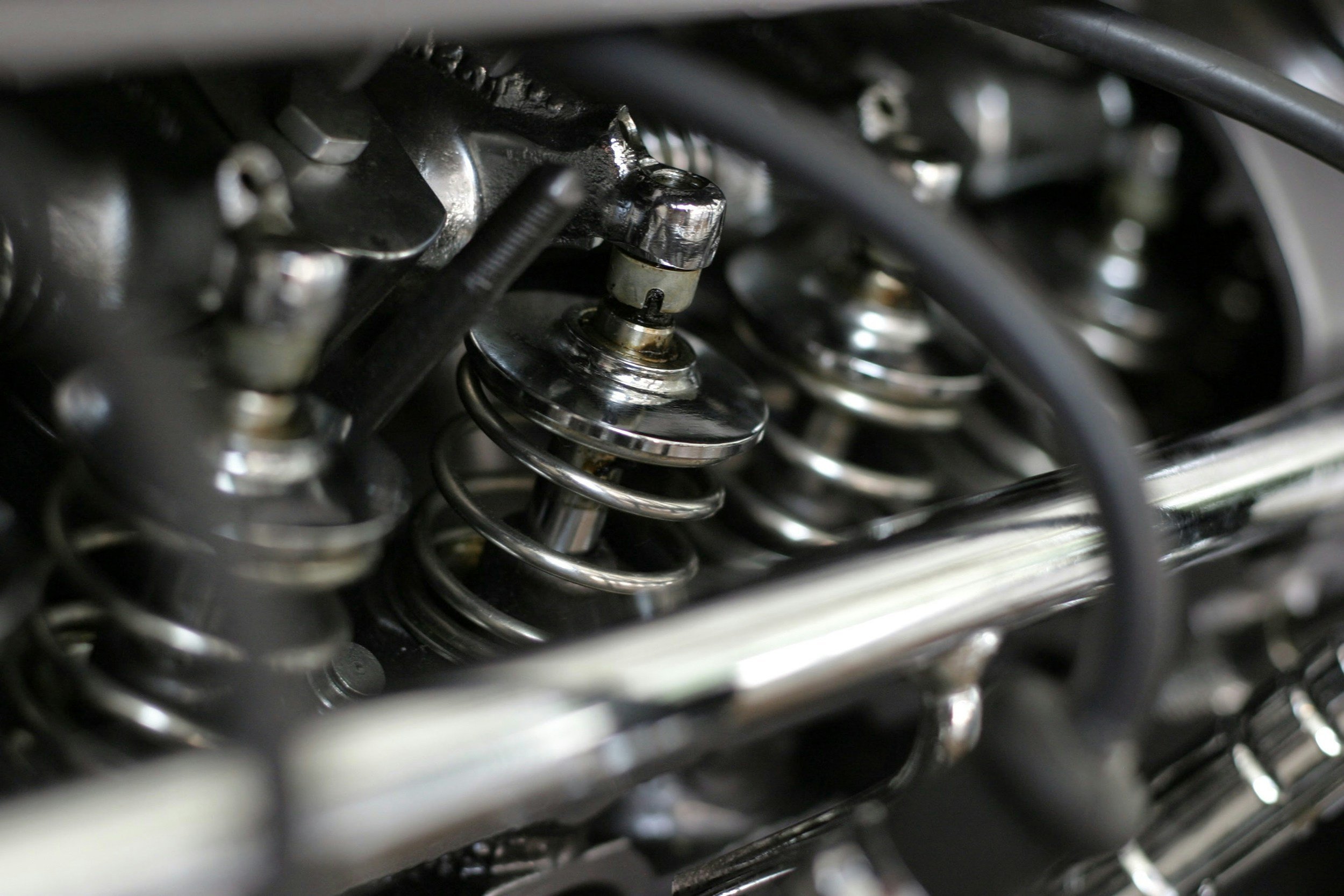
Fuel injectors have one job: deliver the right amount of diesel, at the right pressure, at the right moment. When they are clean and calibrated, your engine runs efficiently, your fuel economy holds steady, and your emissions stay where they need to be. When they are not, everything downstream starts to slip. The frustrating part is that most fleet managers in Phoenix and Chandler do not notice until the problem has already cost them money.
This guide breaks down what actually happens inside a fouled injector, how Arizona heat makes it worse, and what a proper diesel injector cleaning service looks like at KTS Enterprise.
What Happens Inside a Fouled Diesel Injector Diesel fuel is not perfectly clean.
Over time, heat cycles, moisture, and combustion byproducts cause fuel varnishing, a thin sticky residue that builds up on injector tips and internal passages. That deposit restricts the spray pattern, changes atomization, and throws off the precise timing your engine relies on.
The cascade of problems that follows compounds the longer you wait to address it:
• Incomplete combustion that wastes fuel and increases soot load on your DPF
• Rough idle and hesitation under load, often misread as a drivetrain or turbo issue
• Elevated fuel trim readings as the ECM works overtime to compensate for poor injector delivery
• Higher cylinder temperatures that accelerate wear on rings, liners, and valves
• Increased NOx and particulate output that can put you offside on CARB compliance
FROM THE SHOP FLOOR
"A fleet running 15 trucks came in with no fault codes and no driver complaints, just a quiet MPG drop over two months. We flow-tested every injector and found three units delivering 12 to 18 percent less fuel than OEM spec. A professional clean and calibration got them back to baseline. No parts replaced. No downtime beyond the service window.”
Diesel Injector Cleaning vs. Replacement: How to Make the Right Call
Replacement gets recommended more often than it should be. In a lot of cases, a professional bench cleaning and flow test is all it takes to bring performance back, at a fraction of the cost of new units. The call comes down to what the data shows.
| Condition | Recommended Action |
|---|---|
| Deposit buildup, spray pattern off, flow within 10% of spec | Clean and retest |
| Flow deviation 10-20%, no mechanical damage | Clean, calibrate, retest |
| Flow deviation above 20% after cleaning | Replace |
| Cracked tip, seat erosion, or internal scoring | Replace immediately |
| Fuel in crankcase or misfires under load | Full injector and compression diagnosis |
Why Arizona Heat Makes Diesel Injector Fouling Worse
Phoenix-area operating conditions accelerate fuel varnishing in ways that operators in cooler climates simply do not deal with. Diesel sitting in hot fuel lines and rails during summer soak periods, when trucks are parked between runs, oxidizes faster than it would at moderate temperatures. Injector tips sitting near a cylinder head running above 200 degrees bake that residue on before the next start cycle even begins. Add high-idle time, which is common across Phoenix fleets for cab cooling and PTO operation, and the problem compounds. The engine is running but not under enough load to keep combustion temperatures optimal. Partially burned fuel collects on injector tips cycle after cycle. Most operators treat this as normal fleet wear. It is not. It is a known parasitic load and fuel varnishing pattern that a structured PM schedule can get ahead of.
What a Professional Diesel Injector Cleaning Service Includes
Fuel additives poured into the tank are not a substitute for a bench-level service. When KTS technicians perform an injector service, here is what actually happens:
• Each injector is removed and flow-tested individually against OEM specification
• Ultrasonic cleaning breaks down varnish deposits and carbon buildup at the tip and passages
• A post-clean flow retest confirms whether the injector has been restored to spec
• Spray pattern inspection verifies that atomization geometry is correct
• Reinstallation uses fresh seals, and fuel trim data is confirmed after the first start
Depending on the engine platform and how far gone the contamination is, this service typically restores injector delivery to within 2 to 5 percent of factory spec. Across a multi-truck fleet, that improvement shows up directly in your fuel spend each month.
Add Diesel Injector Service to Your Preventative Maintenance Schedule
Injector health does not have to be reactive. For most heavy-duty diesel applications running in Arizona conditions, a flow test every 60,000 to 75,000 miles, or annually for high-idle fleets, catches degradation before it shows up in your fuel economy or triggers a compliance issue. If your current PM plan does not include injector inspection, that is a gap worth closing.
KTS can work injector service into your existing preventative maintenance schedule, at our Phoenix or Chandler locations, or via mobile service for trucks that cannot afford time off-route. If you are not sure where your injectors stand, a flow test is a quick way to find out.