
Your Diesel Cooling System Is Working Overtime. Is It Ready?
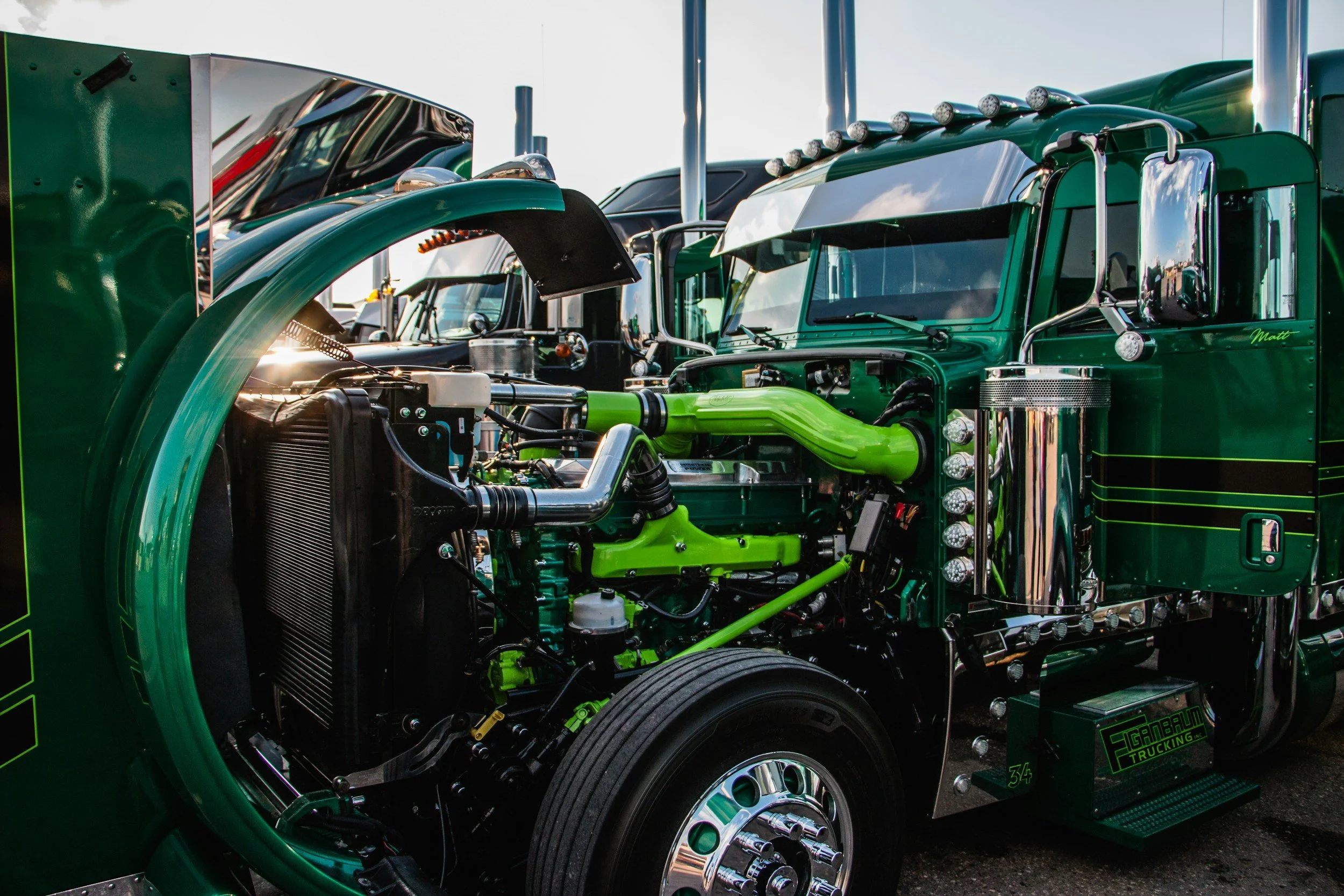
When fleet managers in Phoenix and Chandler think about heat-related breakdowns, tires and fuel systems usually top the list. The cooling system? That one tends to stay quiet, right up until a truck is sitting on the side of I-10 with steam pouring out from under the hood. Here in Arizona, diesel cooling systems do not get a break. Ambient temperatures routinely push past 110 degrees, and a loaded commercial truck running a highway route adds serious thermal stress on top of that. The result is a system that wears faster, fails more suddenly, and costs more to ignore than almost any other component on the vehicle. This post covers what causes diesel cooling systems to fail, what warning signs fleet managers should watch for, and what a proactive maintenance approach actually looks like for fleets operating in Maricopa County.
What the Cooling System Actually Does (And Why Arizona Makes It Harder)
A diesel engine generates enormous heat as a byproduct of combustion. The cooling system exists to move that heat away from the engine block, the cylinder heads, and the turbocharger before it causes damage. It does that through a continuous loop of coolant circulating between the engine and the radiator, where heat is transferred to the outside air. In moderate climates, the cooling system operates comfortably within its design range. In Arizona, that margin shrinks. When outside air temperatures are already at 110 degrees, the radiator has less thermal differential to work with, meaning it cannot shed heat as efficiently. The coolant has to work harder to do the same job, temperatures run higher, and the system reaches its limits faster than the manufacturer's baseline specs would suggest. Add in stop-and-go urban routes around Phoenix, heavy loads, and the miles that commercial fleets put on these vehicles, and you have a recipe for accelerated wear on every component in the loop.
The Five Most Common Cooling System Failures in Commercial Diesel Fleets
1. Coolant Degradation
Coolant does not last forever. Over time and with heat cycling, the inhibitor package that protects against corrosion and scale breaks down. Degraded coolant becomes acidic, attacking the aluminum components in modern diesel cooling systems including the radiator, water pump housing, and EGR cooler. In Arizona heat, this degradation accelerates faster than standard service intervals account for.
2. Water Pump Failure
The water pump moves coolant through the system. Worn impeller blades, a failing shaft seal, or a seized bearing can reduce flow or stop it entirely. Reduced flow means hot spots develop in the engine block, and those hot spots lead to cracked cylinder heads, failed gaskets, and in severe cases, warped components that require major teardown to repair.
3. Radiator Blockage and Damage Phoenix roads kick up significant road debris, and commercial trucks operating in construction zones or industrial corridors around Chandler face added exposure. Bent or clogged fins reduce radiator efficiency. Internal scale buildup from degraded coolant compounds the problem. A radiator running at reduced capacity in 110-degree heat is not running at reduced capacity in a manageable way. It is running at a margin that can disappear quickly.
4. Thermostat Failure
A thermostat stuck in the closed position means the coolant never reaches the radiator to shed heat. Engine temperatures spike fast, and the driver may not get much warning before the engine protection system kicks in and derated power is the best-case outcome. Stuck-open thermostats cause a different problem: the engine never reaches optimal operating temperature, fuel economy drops, and soot accumulation increases.
5. Hose and Clamp Deterioration
Radiator hoses and clamps seem like minor components, but a blown hose in Phoenix traffic in July empties the cooling system in minutes. Arizona heat accelerates rubber degradation. Hoses that look serviceable on visual inspection may be brittle internally, particularly on vehicles that live outside year-round without shade.
“In Arizona’s climate, cooling system inspections should not wait for
scheduled PM intervals. Heat stress and dust exposure compress the failure
timeline on every component in the loop”
Warning Signs Your Fleet's Cooling System Needs Attention
Drivers are the first line of detection. Training them to recognize these signs and report immediately matters as much as any shop inspection: • Temperature gauge climbing above normal range, particularly under load or in traffic
• Sweet smell from the engine compartment, which often indicates a coolant leak
• Visible coolant on the ground after parking
• White or gray exhaust smoke, which can indicate coolant entering the combustion chamber
• Unexplained loss of coolant without visible external leaks, pointing to a possible internal leak past a head gasket
• Heater performance dropping, which suggests reduced coolant flow
• Any engine derate or power reduction event logged by the ECM None of these signs should be logged and deferred.
Each one represents a cooling system under stress. Driving a truck to failure on a cooling issue is one of the fastest ways to convert a few hundred dollars of maintenance into a five-figure repair bill.
What a Proactive Cooling System Maintenance Program Looks Like
For diesel fleets in Phoenix and Chandler, standard manufacturer PM intervals are a starting point, not an endpoint. Arizona's operating environment warrants a more frequent review cycle.
Coolant Testing at Every Major Service
Strip test kits and refractometer checks give a rapid read on freeze point and inhibitor concentration, but for commercial fleets, a more thorough analysis that measures pH, total dissolved solids, and nitrite levels is worth the minor investment. Degraded coolant caught early is a drain-and-fill. Degraded coolant caught after it has attacked the water pump is a different conversation.
Pressure Testing the System
A pressure test identifies external leaks that may not be producing visible puddles yet, and it puts a number on how well the radiator cap is holding pressure. A cap that releases too early or a system that cannot hold pressure indicates a component that needs attention before it becomes a roadside event.
Inspecting Hoses, Clamps, and Connections
Squeeze tests catch internal cracking that visual inspection misses. Clamps should be checked for corrosion and proper tension. Connections around the EGR cooler and turbocharger deserve particular attention given the additional thermal load those components generate.
Flushing on an Arizona-Appropriate Schedule
Many fleet operators follow a two-year or 100,000-mile coolant flush cycle. For trucks running hard in Phoenix summer heat, a more frequent schedule is worth evaluating. This is a conversation worth having with your service provider rather than defaulting to whatever interval the OEM published for a national average operating environment.
How KTS DIESEL Handles Cooling System Service in Phoenix and Chandler KTS Enterprise's technicians work on commercial diesel fleets across the Phoenix metro and Chandler daily.
They understand what the Arizona operating environment does to these systems and how to catch problems before they turn into breakdowns. Cooling system inspections are part of KTS's complete preventative maintenance approach, covering coolant condition, pressure integrity, water pump function, thermostat operation, and all hoses and clamps. For fleets that need service without taking trucks out of rotation for a full shop visit, KTS's mobile diesel repair capability brings service to your location. KTS serves fleets of all sizes at locations in Phoenix and Chandler, with scheduling designed around keeping your vehicles moving rather than sitting in a queue.
Schedule a Cooling System Inspection Call KTS Enterprise at (602) 878-6088 or visit ktsdiesel.com to schedule service in Phoenix or Chandler. Don't wait for a gauge to tell you there's a problem.