
EGR Failure Is One of the Costliest Diesel Problems Fleets Ignore. Here Is What to Watch For.
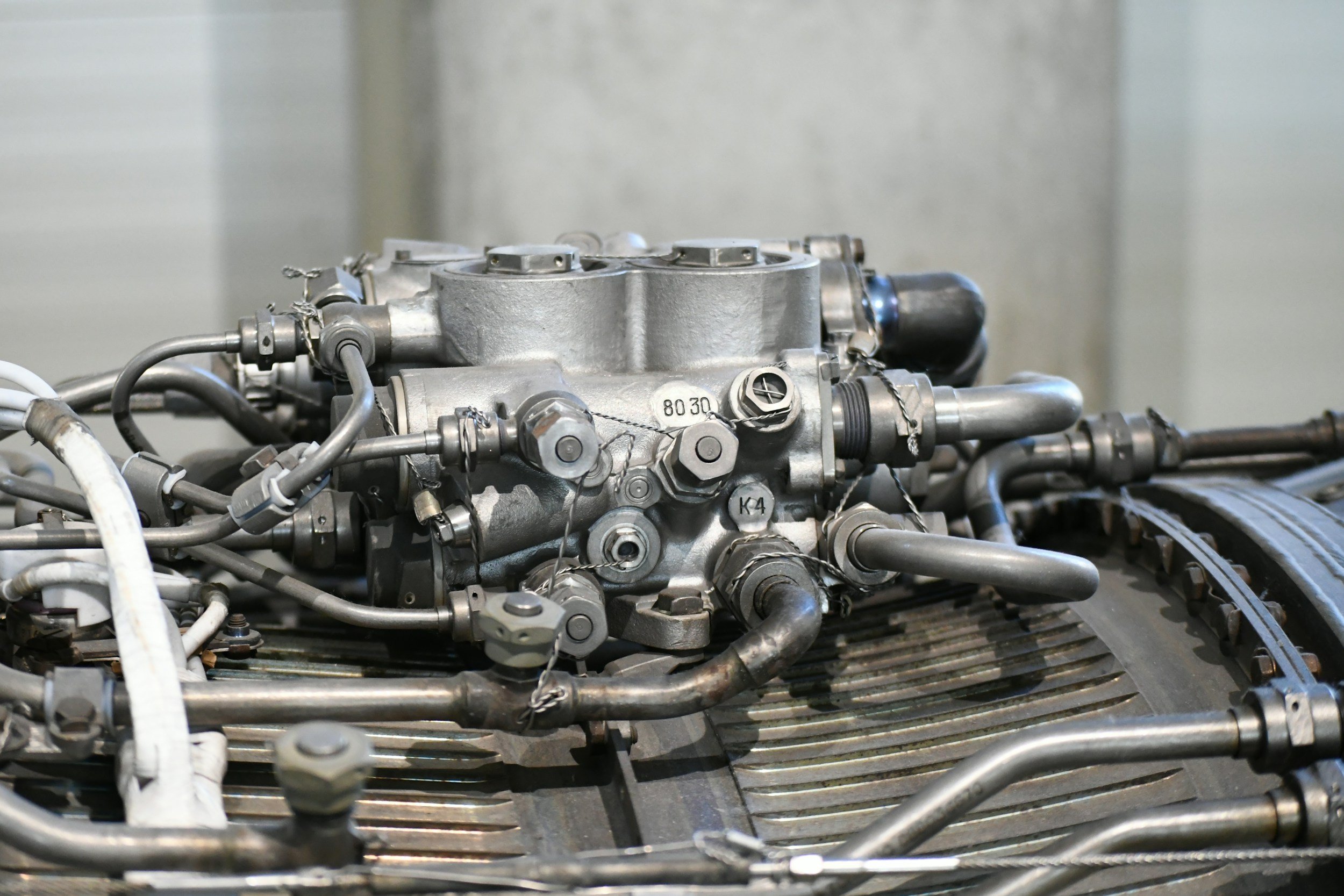
Your EGR system is a federally mandated emissions component. When it starts to fail, it takes your fuel economy, your power, and your engine health with it.
Most fleet managers know the big-ticket failures: blown turbos, cracked heads, seized injectors. But one of the most damaging and most frequently overlooked failure points in modern diesel engines is the EGR system, short for Exhaust Gas Recirculation. It rarely announces itself with a catastrophic breakdown. Instead, it degrades quietly, month after month, pulling down performance and driving up repair costs until a fleet manager is staring at a bill that could have been a fraction of the size with earlier action. This post breaks down what the EGR system does, why it fails, what the symptoms look like in a working fleet, and what your maintenance program should include to stay ahead of it
What the EGR System Actually Does
The EGR system routes a portion of exhaust gases back into the engine's intake manifold, where they mix with incoming fresh air before combustion. The purpose is to lower peak combustion temperatures, which reduces the formation of nitrogen oxides (NOx), a key regulated pollutant for commercial diesel vehicles. In modern Class 6, 7, and 8 trucks, the EGR system includes several interconnected components: the EGR valve (which controls flow), the EGR cooler (which lowers exhaust gas temperatures before they re-enter the intake), the intake manifold, and related sensors and solenoids. All of them are exposed to heat, carbon buildup, and the corrosive effects of recirculated exhaust. That is a hard environment to operate in reliably over hundreds of thousands of miles.
Why EGR Systems Fail
The failure modes are predictable once you understand what the system is doing. The three most common issues are:
1. Carbon fouling of the EGR valve and intake manifold. Recirculated exhaust gases carry soot and oil vapors. Over time, these deposit as thick carbon buildup on the EGR valve pintle, the valve seat, and the intake manifold walls. A stuck or sluggish EGR valve cannot regulate flow accurately, causing the ECM to compensate in ways that reduce performance and increase emissions.
2. EGR cooler failure. The EGR cooler uses engine coolant to lower exhaust gas temperatures before recirculation. Internally, it is a small heat exchanger, and like all heat exchangers it is vulnerable to cracking under thermal cycling. A cracked EGR cooler allows coolant to enter the exhaust or intake stream. This is one of the fastest paths to white smoke, coolant loss, and in severe cases, hydrolocking an engine.
3. Sensor and solenoid failures. The EGR system relies on temperature sensors, differential pressure sensors, and control solenoids to operate correctly. When these fail, the EGR valve may be commanded to positions that do not match actual operating conditions, generating fault codes and triggering derate conditions that limit engine power.
Symptoms Fleet Managers Should Recognize
EGR problems rarely show up as a single obvious symptom. More often, you see a cluster of issues that individually seem minor but together point to the same root cause. Watch for:
Check engine light with EGR-related fault codes. P0400, P0401, P0402, and manufacturer-specific variants are the most common. Do not clear and ignore. These codes exist for a reason.
Reduced power or engine derate. When the ECM detects EGR malfunction, many engines enter a reduced-power protection mode. Drivers often report the truck 'not pulling right' before a formal fault appears.
Rough idle or unstable idle. A sticking EGR valve that fails to close fully at idle allows exhaust gases to dilute the intake charge at low load, causing rough or erratic idle behavior.
Black smoke under acceleration. Excessive carbon buildup in the intake manifold restricts airflow, leading to over-fueling and black smoke under load.
White smoke and coolant loss. These are the warning signs of a failing EGR cooler. If you see unexplained coolant consumption alongside white exhaust smoke, pull the vehicle immediately.
Increased fuel consumption. An EGR system that is not regulating combustion temperatures correctly affects combustion efficiency. A fleet running 5 to 10 percent worse fuel economy than baseline should include EGR health in the diagnostic checklist.
The Hidden Cost of Ignoring It
EGR repairs that are caught early, a cleaning, a valve replacement, a sensor swap, typically run in the hundreds of dollars. EGR cooler replacements are more involved but still manageable when addressed before coolant contamination spreads. The real financial damage happens when EGR problems go unaddressed long enough for coolant to reach the combustion chamber or for carbon buildup to restrict airflow so severely that other engine components are forced to compensate beyond their design limits.
Engine rebuilds triggered by neglected EGR failures can run from $15,000 to over $30,000 depending on the platform, plus days or weeks of downtime per unit. For a fleet running tight delivery schedules or contracted haul routes, the indirect costs often exceed the repair bill itself.
What a Proactive EGR Maintenance Program Looks Like
You do not need a complicated program. You need consistent execution on a few key items: • EGR valve inspection and cleaning as part of scheduled PM intervals, not just when a fault code appears.
• EGR cooler inspection for leaks, especially on high-mileage units or vehicles operating in stop-and-go duty cycles where thermal cycling is more intense.
• Intake manifold inspection for carbon accumulation on engines with known buildup tendencies.
• Coolant system monitoring: track coolant levels across PM cycles. Unexplained loss between intervals is a diagnostic signal, not a routine top-off item.
• Fault code review at every PM: EGR codes that have been cleared without diagnosis are a liability. Review the fault history, not just the active faults.
Your diesel repair partner should be reviewing EGR-related codes and physical condition as a standard part of every service visit, not waiting for you to bring a symptom in. If that is not happening, it is worth asking why
How KTS Diesel Approaches EGR Diagnostics
At KTS Diesel, EGR system health is part of every complete engine diagnosis we perform. Our technicians use professional-grade diagnostic tooling to read full fault code histories, not just active codes, and we physically inspect EGR valves, coolers, and intake passages on vehicles flagging relevant symptoms. We do not recommend repairs speculatively. We diagnose, document, and give fleet managers a clear picture of what is failing, what the risk of continued operation looks like, and what the repair path costs.
We serve fleets throughout the Phoenix and Chandler metro area with both mobile repair units and full in-shop capability, so we can reach your vehicles at your yard or bring them into the shop for the deeper diagnostic work that EGR cooler failures often require.
Ready to put EGR health on your PM checklist? Schedule a complete engine diagnostic with KTS Diesel. Phoenix: (602) 878-6088 | ktsdiesel.com